
If you’re new to wigs, you’ve probably heard the term lace wig many times. A lace wig is one of the most popular wig types because it creates a more natural-looking hairline and gives users greater styling flexibility compared to traditional wigs.
In this guide, we’ll explain exactly what a lace wig is, how it works, the different types available, and whether it’s the right choice for beginners.
What Is a Lace Wig?
A lace wig is a wig made with a thin lace material attached to the base of the hair. Individual hair strands are hand-tied to the lace, creating the illusion that the hair is growing directly from the scalp.
This lace section is usually placed at the front or top of the wig to create a realistic hairline and natural-looking parting space.
Because of this construction, lace wigs are widely used for:
- Everyday wear
- Protective styling
- Fashion styling
- Hair loss solutions
- Beginner-friendly wig looks

Why Are Lace Wigs So Popular?
Lace wigs have become extremely popular because they offer a more realistic appearance than traditional machine-made wigs.
Here are the biggest advantages:
| Benefit | Why It Matters |
| Natural Hairline | Mimics real scalp appearance |
| Styling Flexibility | Can create middle or side parts |
| Lightweight Feel | More breathable than regular wigs |
| Beginner Friendly | Many styles are easy to install |
| Realistic Look | Especially when using HD lace |
For many users, the biggest reason is simple:A good lace wig can look almost identical to natural hair.
How Does a Lace Wig Work?
A lace wig works by blending the lace material into the skin around the hairline. When properly installed, the lace becomes less visible, creating a seamless transition between the wig and the scalp.
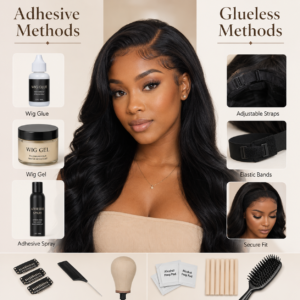
Most lace wigs can be installed using:
- Wig glue
- Wig gel
- Adhesive spray
- Adjustable straps
- Elastic bands
- Glueless installation methods
Modern beginner-friendly wigs, especially glueless wigs, have made installation much easier than before.
Types of Lace Wigs
There are several different types of lace wigs, and each one serves a different purpose.
1. Lace Front Wig
A lace front wig only has lace at the front hairline area.
Best for:
- Beginners
- Everyday wear
- Natural front hairline looks
Pros:
- Affordable
- Easy to install
- Natural appearance
Cons:
- Limited parting space in the back
2. Full Lace Wig
A full lace wig has lace throughout the entire cap.
Best for:
- Advanced styling
- High ponytails
- Maximum styling flexibility
Pros:
- Can part anywhere
- Most versatile
Cons:
- More expensive
- Longer install time
3. HD Lace Wig
HD lace wigs use ultra-thin lace material designed to blend more naturally into the skin.
Best for:
- Ultra-natural looks
- Photography
- Social media content
Pros:
- Nearly invisible lace
- Realistic finish
Cons:
- More delicate
- Higher price
4. Glueless Lace Wig
Glueless wigs are designed to be worn without glue or adhesive.
Best for:
- Beginners
- Fast daily installation
- Protective styling
Pros:
- Easy to wear
- Comfortable
- Beginner friendly
Cons:
- Slightly less secure than glued installs
Lace Wig vs Synthetic Wig
Many beginners compare lace wigs with synthetic wigs.
Here’s a simple breakdown:
| Feature | Lace Wig | Synthetic Wig |
| Appearance | More natural | Less realistic |
| Styling | Flexible | Limited |
| Heat Styling | Often possible | Usually limited |
| Longevity | Longer lifespan | Shorter lifespan |
| Price | Higher | Lower |
Human hair lace wigs are generally preferred for long-term use because they look more natural and can be styled like real hair.
Are Lace Wigs Good for Beginners?
Yes — especially modern glueless lace wigs.
Many beginner-friendly lace wigs now come with:
This makes installation much easier than older wig styles.
If you are completely new to wigs, a glueless lace front wig is usually the easiest starting point.
How Long Do Lace Wigs Last?
The lifespan of a lace wig depends on:
- Hair quality
- Maintenance
- Frequency of wear
- Installation method
On average:
| Wig Type | Average Lifespan |
| Synthetic Lace Wig | 1–3 months |
| Human Hair Lace Wig | 6–24 months |
Proper washing, storage, and gentle handling can significantly extend the life of a wig.
How to Make a Lace Wig Look More Natural
Here are some simple beginner tips:
- Choose HD lace if possible
- Match the lace color to your skin tone
- Use a wig cap
- Style baby hairs carefully
- Trim excess lace properly
- Avoid overly dense wigs for daily wear
Natural lighting and proper styling also make a huge difference.
Common Beginner Mistakes
Many first-time users make these mistakes:
❌ Choosing the wrong lace color
❌ Buying overly dense wigs
❌ Using too much glue
❌ Skipping wig maintenance
❌ Not securing the wig correctlyStarting with a beginner-friendly glueless wig can help avoid many of these issues.
Final Thoughts
A lace wig is one of the best options for anyone looking for a natural-looking wig with flexible styling options. Whether you choose a lace front wig, HD lace wig, or glueless wig, understanding the basics will help you choose the right option for your needs.
For beginners, starting with a simple glueless lace front wig is usually the easiest and most comfortable choice.
FAQ:
What is the difference between a lace wig and a regular wig?
A lace wig uses lace material around the hairline or cap to create a more realistic scalp appearance, while regular wigs often have a thicker, less natural front edge.
Are lace wigs hard to install?
Not necessarily. Modern glueless lace wigs are designed specifically for beginners and can often be installed in just a few minutes.
Do lace wigs damage your hair?
When worn properly and maintained correctly, lace wigs can actually help protect natural hair by reducing daily styling stress.
Which lace wig looks the most natural?
HD lace wigs are generally considered the most natural-looking because the lace material is thinner and blends better with the skin.
Can beginners wear lace wigs?
Yes. Many beginners start with glueless lace front wigs because they are easier to wear and require less installation experience.