
Quick Answer
To keep your scalp fresh under a wig in summer, make sure your scalp is clean and dry before wearing the wig, avoid heavy oils and thick products, use a breathable wig cap, blot sweat instead of rubbing the lace, and let both your scalp and wig air out after wear. If the wig starts to smell, itch, feel damp, or collect residue around the hairline, it is time to clean the cap, lace, or your natural hair underneath.
Why Summer Wig Wear Feels Different
Wearing a wig in summer is not the same as wearing one in cool weather.
Heat, suor, humidity, protetor solar, makeup, and adhesive products all sit close to the scalp. The wig cap can trap warmth. The lace can collect oil around the hairline. The nape can feel damp after walking outside, exercising, commuting, or sitting in a hot room.
This does not mean wigs cannot be worn in summer. Many people wear them comfortably all season. But the routine usually needs to be lighter, cleaner, and more breathable.
The goal is simple: reduce trapped moisture and buildup before they turn into odor, itching, lace lifting, or scalp irritation.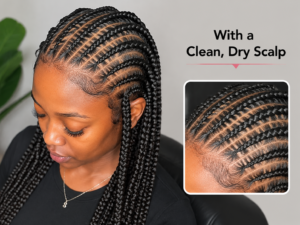
Start With a Clean, Dry Scalp
The best summer wig routine begins before the wig goes on.
If your scalp already has sweat, óleo, heavy moisturizer, or old product on it, the wig will feel less fresh sooner. A clean scalp gives you a better base. It also helps glue, lace spray, wig grips, and caps perform better.
Your scalp does not need to feel stripped or dry. It should simply be clean, comfortable, and fully dry.
This is especially important if you wear cornrows, twists, or a wig cap underneath. Damp hair trapped under a wig can create odor and discomfort faster than people expect.
If you wash your natural hair before installing a wig, make sure the braids and scalp are dry all the way through.
Avoid Heavy Products Under the Wig
Summer is not the best time for thick layers of product under a wig.
Heavy oils, rich creams, edge control, wax, strong gels, and too much leave-in can mix with sweat and heat. That mixture can make the scalp feel sticky or itchy. It can also leave residue on the wig cap or lace.
Lightweight products usually work better. If your scalp needs moisture, use a small amount and give it time to absorb before wearing the wig.
The same rule applies to the hairline. Sunscreen, primer, foundation, lace tint, melting spray, glue, and edge products can all collect around the lace. If too many layers sit in the same area, the lace may lift faster and the skin may feel irritated.
In summer, less product often feels better.
Choose a Breathable Base When Possible
The wig construction can affect how hot your scalp feels.
Full lace, lace front, closure wigs, glueless wigs, headband wigs, and half wigs do not all feel the same. Some caps have more lace or open wefts. Others have thicker construction, more elastic, more fabric, or less airflow.
If you get hot easily, look for a cap that feels secure without being too tight. A wig that is too small or too heavily layered can trap heat and create pressure.
A breathable wig cap can also help. Some people prefer thin nylon caps. Others prefer mesh, bamboo, or stocking caps depending on scalp sensitivity. The best choice is the one that keeps the wig flat without making your scalp feel trapped.
If your scalp is sensitive, avoid rough caps or tight bands that rub during the day.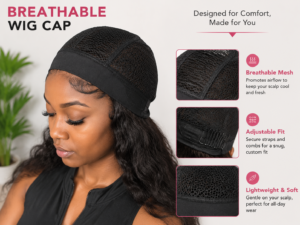
Control Sweat During the Day
Sweat is normal. The problem is letting sweat sit for too long under the wig.
If you feel sweat at the hairline, blot gently with a clean tissue, towel, or blotting paper. Do not rub the lace back and forth. Rubbing can disturb the lace, move makeup, and make lifting worse.
If you are wearing adhesive, avoid touching the lace repeatedly while it is damp. Sweat and pressure can weaken the hold.
If you are out for a long day, carry a small clean cloth or blotting paper. A quick, gentle blot around the forehead and nape can make the wig feel fresher without adding more product.
For workouts or very hot outdoor days, consider whether a full lace install is necessary. A glueless unit, headband wig, or tied-back style may be easier to manage.
Give Your Scalp Air When You Can
One of the simplest summer habits is giving your scalp breaks.
If you wear a glueless wig, remove it when you are home and do not need it on. Let your scalp cool down. Let the cap dry. This helps reduce sweat buildup and odor.
If you wear a glued install for several days, you may not remove the wig every night. Nesse caso, keep the hairline clean, avoid piling product on top of old product, and watch for itching, soreness, or a sour smell.
Your scalp should not feel trapped all the time. Even short breaks can help if your routine allows them.
Keep the Wig Cap Clean
The cap is where sweat and oil often collect first.
A wig can look clean on the outside while the inside cap holds odor. The nape, crown, and hairline areas usually collect the most sweat.
If you wear a separate wig cap underneath, change or wash it regularly. Do not keep reusing the same cap after sweaty wear.
For the wig itself, clean the inside cap gently when needed. Focus on the areas that touch the scalp. Be careful around lace and knots, because rough scrubbing can cause shedding or damage.
If the wig smells strongest inside the cap, the issue may be cap buildup rather than the hair.
Watch the Hairline
The hairline is a high-buildup area in summer.
Skin oil, protetor solar, makeup, glue, spray, lace tint, and sweat can all meet at the front edge of the wig. This can cause shine, lifting, residue, or itching.
A fresh hairline starts with clean skin. If you use adhesive, apply thin layers and let each layer dry properly. More glue is not always better. Thick adhesive can become messy in heat and may be harder to clean.
If the lace starts lifting during the day, do not automatically add more product. First check whether the area is oily or sweaty. Adding spray over buildup may hold for a short time, but it can make the next cleaning harder.
Prevent Odor Before It Starts
Odor usually comes from moisture, suor, acúmulo de produto, or poor drying.
After wearing your wig, let it air out before storing it. Do not put a damp wig into a plastic bag or closed drawer. The cap and lace need time to dry.
If the wig got sweaty, check the nape and inside cap. If they feel damp, let the wig dry fully on a stand.
Storage also matters. Keep wigs away from smoke, cooking smells, heavy perfume, and humid spaces. Hair can absorb odor, especially when it is damp or coated with product.
Freshness is not only about washing more. It is about keeping moisture from being trapped.
How Often Should You Wash in Summer?
There is no one schedule for everyone.
If you wear a wig daily in hot weather, use adhesive, sweat heavily, or apply styling products often, the wig may need cleaning more often. If you wear it occasionally and remove it at night, you may be able to wash it less often.
Pay attention to signs: odor, sticky lace, itchy scalp, dull hair, heavy product feel, or a damp cap.
Washing too often can dry out human hair wigs, but waiting too long can create buildup. The balance depends on wear frequency and sweat level.
When to Stop Wearing the Wig
Take a break if your scalp feels sore, itchy, irritated, or painful.
Also be careful if you notice redness, solavancos, flaking, a strong odor, or a burning feeling under adhesive. These signs may mean your scalp needs cleaning, rest, or a different product.
A wig should feel secure, but it should not hurt. Summer discomfort can get worse if ignored because heat and sweat make irritation more intense.
If a wig feels too hot every time you wear it, the cap construction, fit, or routine may not be right for the season.
Final Verdict
Keeping your scalp fresh under a wig in summer comes down to clean prep, light products, breathable choices, sweat control, and proper drying.
The biggest mistakes are wearing the wig over a damp scalp, using too much product, ignoring cap buildup, and storing the wig before it is fully dry.
Summer wig wear can still be comfortable. The routine just needs to be lighter and more intentional.
Perguntas frequentes
Why does my scalp sweat so much under a wig?
A wig cap can trap heat close to the scalp. Warm weather, thick caps, heavy products, tight installs, and long wear time can all increase sweating.
How do I stop my wig from smelling in summer?
Let the wig air out after wearing, clean the inside cap when needed, avoid storing it damp, and wash sweat-heavy wigs before odor builds.
Should I wear a wig cap in summer?
It depends. A thin breathable cap can help with comfort and hygiene, but a thick or tight cap may feel hotter.
Can sweat make lace lift?
Sim. Sweat and oil can weaken glue, spray, or gel around the hairline, especially if the skin was not clean and dry before application.
Is a glueless wig better for summer?
It can be easier for some people because it can be removed and aired out daily. But the fit still needs to be comfortable and secure.