
Réponse rapide
V-part wigs, U-part wigs, and lace front wigs can all look natural, but they blend in different ways. V-part and U-part wigs rely on your natural hair leave-out to cover the opening. Lace front wigs rely on lace to create the hairline. If you want less lace work, V-part or U-part may feel easier. If you want no leave-out and more hairline coverage, lace front may be better.
Why This Comparison Matters
Not every wig user wants the same kind of natural look.
Some people want to protect all of their natural hair under a cap. Some want to leave out a small section for blending. Some want a realistic hairline without using their own hair at all. Others care more about speed and comfort than a perfect install.
That is where V-part, U-part, and lace front wigs differ.
The best choice depends on your natural hair, styling habits, heat tolerance, and how much work you want to do each morning.
What Is a V-Part Wig?
A V-part wig has a narrow V-shaped opening at the top. This opening allows a small amount of your natural hair to be left out and blended over the wig.
Compared with a U-part wig, a V-part wig usually needs less leave-out. Some sellers also market V-part wigs as “minimal leave-out” or even “no leave-out” depending on the cap design and texture.
The biggest appeal is convenience. You do not need to cut lace or melt a hairline. If the texture matches your natural hair, the blending can look very realistic.
The trade-off is that your natural hair still plays a role. If your leave-out does not match the wig texture, the blend may be obvious.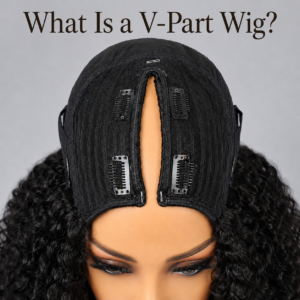
What Is a U-Part Wig?
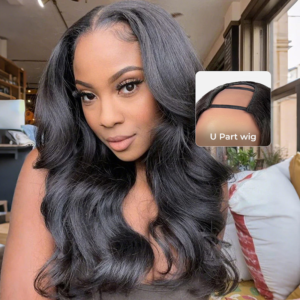
A U-part wig has a wider U-shaped opening, usually around the parting area. You leave out more natural hair to cover the opening and blend with the wig.
U-part wigs can look very natural because the visible part and top area are your own hair. This can avoid some lace issues completely.
But they usually require more leave-out than V-part wigs. That means more heat styling, more blending work, and more exposure for your natural hair.
If you are trying to fully protect your hair, a U-part wig may not be ideal unless you are comfortable managing the leave-out carefully.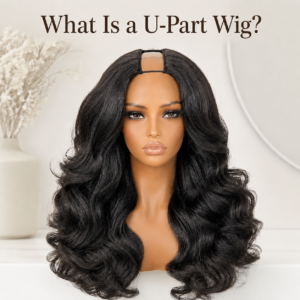
What Is a Lace Front Wig?
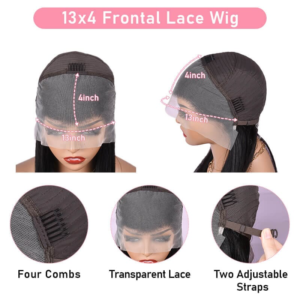
A lace front wig has lace along the front hairline. The hair is tied into the lace to create the appearance of a natural hairline.
The main benefit is that you do not need leave-out at the front. Your natural hair can be braided or tucked away underneath. This makes lace fronts useful for people who want full coverage, hairline styling, or a more dramatic change.
The trade-off is that lace needs blending. You may need to cut the lace, tint it, flatten the hairline, use adhesive, or adjust the install depending on the wig.
Lace front wigs can look very natural, but they often require more technique than V-part or U-part wigs.
Which One Blends Best?
The answer depends on what you mean by blending.
If you want the parting area to look like your real scalp, a U-part wig can blend very naturally because your own hair is visible.
If you want minimal leave-out with a quick routine, a V-part wig may be the better balance.
If you want a natural-looking hairline without leaving out your own hair, a lace front wig is usually the better option.
Blending is not only about wig type. Texture match, densité, couleur, installation, and hairline work all matter.
Leave-Out: The Biggest Difference
Leave-out is the main dividing line.
V-part wigs usually need little leave-out. U-part wigs usually need more. Lace front wigs usually need none at the front.
Leave-out can make a wig look realistic, but it also means your natural hair needs to match the wig. If the wig is silky straight and your leave-out is textured, you may need heat styling. If the wig is kinky straight or yaki straight, blending may be easier for textured hair.
If you want to avoid heat on your natural hair, lace front may be safer. If you like using your own part and edges, V-part or U-part may feel more natural.
Maintenance and Daily Wear
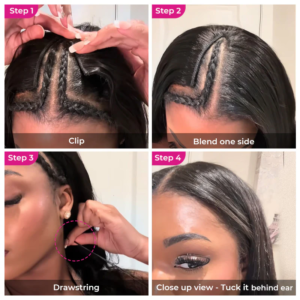
V-part wigs are often easier for daily wear because the opening is smaller and the routine can be quick once the texture matches.
U-part wigs can also be easy, but the leave-out needs more care. If your natural hair reverts in humidity or does not match the wig, the style may need refreshing.
Lace front wigs may require the most install work, especially if you want a melted hairline. Cependant, once installed well, they can protect your natural hair more fully.
Pour les débutants, V-part wigs are often less intimidating than lace fronts. For full coverage, lace fronts are usually more flexible.
Styling Freedom
Lace front wigs usually offer more hairline styling. You can create a frontal look, side part, middle part, or pulled-back styles depending on lace size and construction.
U-part and V-part wigs are more limited by the opening and leave-out. They can look very natural in down styles, but they may not offer the same hairline freedom.
If you mostly wear your hair down with a natural part, V-part or U-part can work well. If you want more hairline control, lace front has the advantage.
Who Should Choose a V-Part Wig?
Choose a V-part wig if you want a quick routine, minimal lace work, and a natural blend with only a small amount of leave-out.
It can be a good option if your natural hair texture matches the wig and you want something beginner-friendly.
Who Should Choose a U-Part Wig?
Choose a U-part wig if you like using your own part and do not mind leaving out more hair.
It can look very natural, but it works best when you are comfortable maintaining and blending your leave-out.
Who Should Choose a Lace Front Wig?
Choose a lace front wig if you want to cover your natural hair, avoid leave-out, and create a realistic hairline.
It is better for people who want more style changes, but it may require more skill or prep.
Que vérifier avant d'acheter
Avant d'acheter, check the opening size, construction de casquette, texture match, densité, type de dentelle, and real customer photos.
For V-part and U-part wigs, look closely at how the leave-out blends. For lace fronts, check the lace color, noeuds, densité capillaire, and whether the lace is pre-cut or pre-plucked.
The best wig type is the one that fits your real routine, not just the one that looks best in product photos.
Verdict final
V-part, U-part, and lace front wigs all have a place.
V-part wigs are convenient and need less leave-out. U-part wigs can look very natural but need more blending with your own hair. Lace front wigs offer better hairline coverage and no leave-out, but they usually require more lace work.
If you want the easiest daily blend, start with V-part. If you want the most realistic part using your own hair, consider U-part. If you want full coverage and hairline control, lace front is the stronger choice.
FAQ
Is a V-part wig better than a U-part wig?
It depends. V-part wigs usually need less leave-out, while U-part wigs can give a very natural part with more of your own hair.
Do lace front wigs need leave-out?
No, lace front wigs usually do not need leave-out at the front. The lace creates the hairline effect.
Which wig is best for beginners?
V-part wigs are often easier for beginners because they avoid lace cutting and require less installation skill.
Are U-part wigs protective?
They can be partly protective, but the leave-out is still exposed to styling, heat, and weather.
Which wig looks most natural?
All three can look natural. U-part and V-part rely on your real hair blending. Lace front relies on lace quality and installation.