
Quick Answer
Glueless should mean the wig is designed to stay on without traditional lace glue. But it does not always mean you will never use any product. Some people still use a melt band, holding spray, mousse, wig grip, or a tiny amount of adhesive at the temples.
The label promises easier wear, not magic. A glueless wig still needs the right cap size, secure construction, and lace that sits flat against your skin.
What Does Glueless Mean?
A glueless wig is usually designed with built-in security so it can be worn without applying lace glue along the hairline. Depending on the wig, this may include:
- Adjustable straps
- Elastic band
- Combs or clips
- Silicone grip areas
- Smaller lace area
- Pre-cut lace
- Pre-plucked hairline
- Cap shape designed for snug wear
The idea is to reduce adhesive use. This can make daily wear easier, faster, and gentler for people who do not want a glued install.
What Glueless Does Not Always Mean
Glueless does not always mean the lace will look fully melted with no effort. It also does not mean the wig will fit every head, survive every workout, or stay flat for several days without adjustment.
Many glueless wigs still need styling and prep. You may need to position the wig carefully, flatten the lace with a melt band, tint the lace, style the edges, or secure the nape.
The label is helpful, but it should not replace checking the actual construction.
Why Buyers Get Confused
Wig listings often use glueless, wear-and-go, ready to wear, beginner-friendly, pre-cut, and no glue in the same description. These terms overlap, but they are not identical.
A wig can be glueless but not pre-cut. A wig can be pre-cut but not secure enough for your head. A wig can be beginner-friendly but still need styling. A wig can be worn without glue for errands but not for dancing, sweating, or sleeping.
The problem is not the word glueless. The problem is expecting one word to explain fit, security, lace blending, and wear time.
What the Label Does Promise
It Should Reduce Adhesive Dependence
A true glueless wig should not require a full glued hairline for normal wear. You should be able to secure it with the cap, band, straps, combs, or grip system.
It Should Be Easier to Remove
Because you are not relying on strong glue, removal should be faster and less harsh. This can help people who want to take their wig off daily.
It Should Be More Beginner-Friendly
Glueless construction can reduce install steps. It may be less intimidating than cutting lace, applying glue, waiting for layers to dry, and removing adhesive residue.
It May Be Gentler on Edges
Avoiding daily glue can reduce pulling and residue around the hairline. But a too-tight band or poorly placed comb can still create tension, so glueless is not automatically damage-free.
What the Label Does Not Promise
It Does Not Promise a Perfect Fit
Fit is the biggest variable. A glueless wig that fits one person perfectly may slide, gap, or feel tight on another person.
Cap circumference, ear-to-ear measurement, forehead shape, temple depth, and nape shape all matter.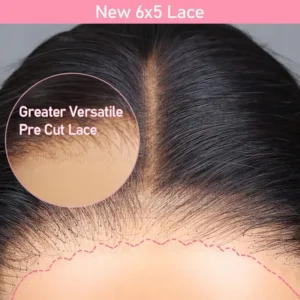
It Does Not Promise No Lifting
Temples and sideburn areas may still lift, especially with larger lace fronts. Sweat, oil, movement, and lace stiffness can make lifting more likely.
It Does Not Promise a Flawless Melt
Glue can help lace stay very flat. Without glue, the lace may need a melt band, good lace color, and correct positioning to look smooth.
It Does Not Promise Multi-Day Wear
Some glueless wigs are best for daily wear and removal. They may not be designed for several days of uninterrupted wear.
It Does Not Promise No Tension
Some glueless wigs rely on a tight band to feel secure. If the band is too tight, you may feel pressure, headaches, or edge tension.
Side-by-Side: Glueless, No Glue, and Low-Glue
| Term | What It Usually Means | What to Watch |
|---|---|---|
| Glueless | Designed to be worn without traditional glue | Fit still matters |
| No glue | Seller claims adhesive is not required | May still need band, grip, or spray |
| Low-glue | Minimal product used in small areas | Temples may need extra help |
| Wear-and-go | Fast install concept | May still need styling |
| Pre-cut glueless | Lace is cut and wig is secure by design | Less room to customize lace shape |
When You May Still Need Product
You may still use a product if your temples lift, your lace color needs blending, or you want a flatter finish for photos. Holding spray, mousse, lace tint, powder, or a melt band may be enough.
Some people use a tiny amount of adhesive at the sideburns or temple tabs while keeping the rest glueless. This is not a failure. It simply means your head shape or lace design needs extra support.
If your wig requires heavy glue every time to stay on, it may not be functioning as a true glueless wig for you.
How Fit Affects Glueless Wear
Fit is the difference between a glueless wig that feels easy and one that feels disappointing.
If the cap is too large, the lace may ripple or slide. If the cap is too small, the wig may pull back, lift at the sides, or cause headaches. If the ear tabs are not aligned, the front can look uneven.
Before blaming the lace, check the cap. Measure your circumference, front-to-nape, ear-to-ear, and temple area if the seller provides detailed sizing.
Who Should Choose a Glueless Wig?
Choose a glueless wig if you want daily removal, less adhesive, faster installs, and a beginner-friendly routine.
It can also be helpful if you have sensitive skin, do not like glue residue, or want a protective style that does not require long installs.
But choose carefully if you need a very secure hold for workouts, hot weather, long events, or exposed hairstyles. You may need a more secure cap, a wig grip, or limited adhesive support.
What Sellers May Not Explain
Some product pages call a wig glueless because it has an elastic band. That does not mean the lace will lie flat on every forehead.
Some sellers call a wig no glue because the model photo was installed without visible adhesive. That does not show how the wig behaves after several hours, in heat, or on a different head size.
Also, bigger lace areas can be harder to wear glueless. A 13×4 lace front may give more styling freedom, but the temple area may need more control than a small closure wig.
What to Check Before Buying
- Does the wig have an elastic band, combs, straps, or silicone grip?
- Is the lace pre-cut or will you cut it yourself?
- What cap size is available?
- Are there small, medium, and large options?
- Does the seller show natural-light hairline photos?
- Does the wig rely on a closure, frontal, or larger lace area?
- Is the return policy clear before cutting lace?
- Are reviews from people wearing it without glue?
Final Verdict
Glueless usually means no traditional lace glue is required for normal wear, but it does not guarantee zero effort. You may still need fit adjustment, lace tint, a melt band, light spray, or styling.
The best glueless wig is not just the one labeled glueless. It is the one that fits your head, sits flat at the hairline, feels secure without pain, and matches the way you actually plan to wear it.
FAQ
Do glueless wigs really stay on?
Yes, they can stay on when the cap fits well and the built-in security is strong enough. A poor fit can make even a good glueless wig slide or lift.
Do glueless wigs need glue?
They should not need traditional glue for normal wear, but some people use light spray or small adhesive support at the temples.
Is glueless better for edges?
It can be gentler than daily glue, but only if the band, combs, and cap are not too tight. Tension can still affect edges.
Can I sleep in a glueless wig?
It depends on the wig and your comfort, but many glueless wigs are better for daily removal. Sleeping in any wig can increase tangling, friction, and tension.
Why does my glueless wig lift at the sides?
Side lifting often comes from poor cap fit, stiff lace, oily skin, sweat, or lace tabs that do not match your temple shape.