
Quick Answer
Headband wigs are still worth it in 2026 if you want a quick, no-glue wig that is easy to wear and remove. They are especially useful for beginners, busy mornings, workouts, travel, and people who want less stress around the hairline. But they are not the best choice if you want an exposed lace hairline, deep side parts, or very flexible styling. A headband wig is convenient, not invisible.
What Is a Headband Wig?
A headband wig is a wig with a built-in band at the front. Instead of lace, the front of the wig is covered by a headband section.
This means you do not need to cut lace, melt lace, bleach knots, pluck the hairline, or use glue. You place the wig on, secure it, adjust the headband, and style the hair.
Some headband wigs use Velcro. Some use elastic. Some have combs, clips, adjustable straps, or a combination of these. The construction varies, so comfort can vary too.
The main idea is speed. A headband wig is made for people who want hair coverage and style without a full install.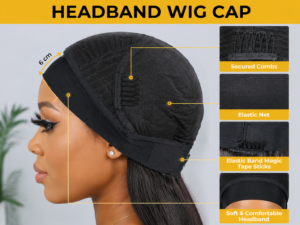
Why Headband Wigs Became Popular
Headband wigs became popular because they solved a real problem.
Many wig users like the look of lace wigs but do not always want the work. Lace can be beautiful, but it can also involve glue, sprays, tint, melting bands, careful cleaning, and time.
Headband wigs offer a simpler option. They are easy to put on, easy to take off, and do not require the same skill level.
They also fit the larger 2026 direction toward lower-tension, easier, more scalp-friendly hair routines. Many users want styles that look good without pulling the hairline or taking hours to install.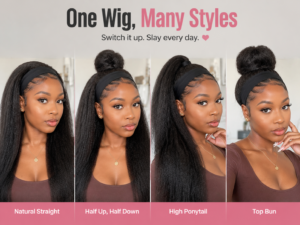
Pros of Headband Wigs
The biggest advantage is convenience.
A headband wig can usually be worn much faster than a lace wig. This makes it practical for work-from-home days, errands, school drop-off, travel, gym sessions, or casual outings.
Another benefit is that it does not require adhesive. This can be helpful for people with sensitive skin, beginners, or anyone trying to reduce glue use around the hairline.
Headband wigs are also easy to remove at night. That gives your scalp time to breathe and allows the wig to air out.
They can also be more forgiving. If the front is not perfect, the headband covers it. You do not have to worry about lace color, visible knots, or a lifted edge.
Limits of Headband Wigs
The main limit is the hairline.
A headband wig does not create the illusion of hair growing from the scalp at the front. The headband is part of the style. If you want a middle part with an exposed hairline, a sleek lace melt, or pulled-back styles with a natural front, a headband wig will not replace a lace wig.
Styling is also more limited. You can change the headband, style the hair lengths, and sometimes wear ponytails or half-up looks depending on construction. But the front coverage remains.
Another limit is fit. If the band is too tight, it can cause pressure. If the wig is too loose, it may slide. A headband wig is easy, but it still needs proper sizing.
Who Headband Wigs Are Best For
Headband wigs are best for people who want a quick routine.
They are also useful for beginners who are not ready for lace installation. Someone new to wigs can learn basic wig care, detangling, washing, and storage without also learning lace customization.
They can work well for people who want to avoid glue, protect fragile edges, or remove the wig daily.
They are also helpful during travel because they do not require many install products.
For casual wear, headband wigs can be one of the easiest wig types to keep in rotation.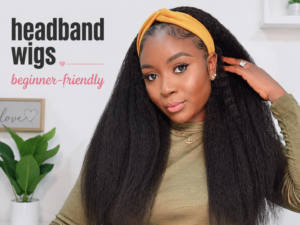
Who May Not Like Headband Wigs
Headband wigs are not for everyone.
If you want the most realistic hairline, you may prefer a lace wig. If you like parting space at the front, a closure or lace front wig may suit you better.
If you dislike wearing headbands, this wig type may feel repetitive. The headband is not just an accessory; it is part of the construction.
If you need formal styling with an exposed hairline, a headband wig may not give the finish you want.
People who are sensitive to pressure around the temples should also check the band fit carefully.
Human Hair vs Synthetic Headband Wigs
Headband wigs come in both human hair and synthetic options.
Human hair headband wigs usually offer more styling flexibility. They can often be curled, straightened, washed, and refreshed more naturally, depending on hair quality. They also tend to cost more.
Synthetic headband wigs can be more affordable and easy for occasional style changes. However, they may have limits with heat styling, shine, tangling, and long-term wear.
The better choice depends on your use. If you want daily wear and restyling, human hair may be more practical. If you want a lower-cost temporary style, synthetic may be enough.
What to Check Before Buying
Do not judge only by the front photo.
Check the cap size, band material, hair texture, density, length, and whether the wig has combs or adjustable straps. A beautiful wig can still be uncomfortable if the band is too tight or the cap does not fit.
Look at real customer photos when possible. Studio images can make hair look fuller, smoother, or more styled than it appears in daily life.
Also think about your climate. A thick headband may feel warm in summer. A lighter construction may be more comfortable for long wear.
If you plan to wear the wig often, choose a texture you can maintain. Deep wave or curly textures may look full, but they need more moisture and detangling than straight or body wave textures.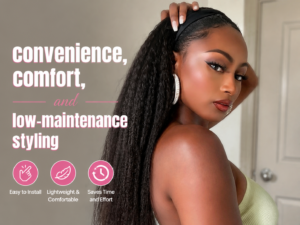
Are Headband Wigs Good for Edges?
They can be gentler than glue-based installs, but they are not automatically edge-safe.
The advantage is that the wig does not need adhesive along the hairline. This may help people who want to reduce glue, lace spray, and removal stress.
But the band should not be tight. Combs should not dig into fragile areas. If the wig slides and you keep pulling it forward, that can also create tension.
For edge protection, fit and placement matter as much as wig type.
Are They Good for Summer?
Headband wigs can be useful in summer because they are easy to remove and air out.
They can also work well for workouts or hot days when a full lace install feels like too much. If you sweat, you can take the wig off later and let the cap dry.
The downside is that some bands feel warm around the forehead. Material matters. A breathable, comfortable band will feel better than a thick, tight one.
For summer, keep the scalp clean, use light products, and avoid trapping moisture under the cap.
Final Verdict
Headband wigs are still worth it in 2026, but only for the right purpose.
They are not a replacement for a lace wig when you want an exposed, realistic hairline. They are not the most flexible option for every style. But they are one of the easiest choices for quick, adhesive-free, beginner-friendly daily wear.
If your priority is convenience, comfort, and low-maintenance styling, a headband wig can be a smart addition. If your priority is a flawless hairline, choose lace instead.
FAQ
Are headband wigs beginner-friendly?
Yes. They are one of the easiest wig types for beginners because they do not require lace cutting, glue, or melting.
Can a headband wig look natural?
Yes, as a headband style. It can look polished and realistic, but it does not create an exposed lace hairline.
Can you wear a headband wig every day?
Yes, if it fits comfortably and is kept clean. Avoid tight bands and give your scalp breaks when possible.
Are headband wigs good for working out?
They can be useful for light workouts because they are easy to wear and remove. Make sure the wig is secure and clean it after sweat-heavy wear.
Are human hair headband wigs better?
Human hair usually gives more styling flexibility and a more natural feel, but it costs more. Synthetic can be fine for occasional use or budget-friendly styling.