
Quick Answer
You may need a wig grip band if your wig slides back, feels insecure, or you want to avoid glue and combs. A wig grip can help hold the wig in place by creating friction. It is especially useful for glueless wigs and sensitive edges. But it is not a fix for every problem. If your wig cap is too small, too large, or shaped poorly for your head, a grip band may only help a little.
What Is a Wig Grip Band?
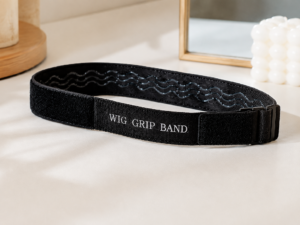
A wig grip band is a soft band worn around the head under a wig. It is usually made from velvet, silicone, elastic, or a similar gripping material.
Its purpose is simple: help the wig stay in place without relying only on glue, combs, clips, or tight straps.
Many people use wig grip bands with glueless wigs, lace fronts, closure wigs, medical wigs, or daily wear units. They can be especially helpful when the wig tends to slide on a wig cap or smooth scalp.
The idea is not new, but it has become more popular as more buyers look for adhesive-free wig routines.
Why People Use Wig Grips
The main reason is security.
A wig can slide for many reasons: cap fit, smooth wig caps, fine natural hair, lack of combs, sweat, movement, or a loose elastic band. A wig grip adds a layer of friction that helps the wig stay put.
Some users also choose wig grips because they do not want glue near their hairline. Others want to avoid combs that pull on fragile edges.
For daily wear, a grip band can make a wig feel more stable without turning the install into a full lace routine.
Pros of Wig Grip Bands
The first benefit is less slipping. A good wig grip can help keep the wig from sliding backward during normal daily movement.
The second benefit is comfort. Compared with tight combs or strong adhesive, a soft grip band may feel gentler for some users.
The third benefit is edge protection. If the band allows you to avoid front combs or glue on the hairline, it may reduce stress on fragile edges.
Wig grips can also make glueless wigs more practical. If your wig already fits well but needs a little extra hold, a grip band can be the missing piece.

Cons of Wig Grip Bands
Wig grips are not perfect.
If the band is too tight, it can create pressure around the head. This may cause discomfort, headaches, or tension near the temples.
If the band is too thick, it may create bulk under the wig. This can affect how flat the lace sits, especially near the front.
Some bands may also feel hot in summer or uncomfortable during long wear. Material matters. A breathable, properly sized band is usually better than a thick or overly tight one.
Who Benefits Most?
A wig grip band may help if you:
- Wear glueless wigs
- Want to avoid adhesive
- Have a wig that slides back slightly
- Do not like using combs
- Have sensitive edges
- Remove your wig daily
- Need extra hold for normal movement
- Wear wigs over a smooth wig cap
It is most useful when the wig already fits reasonably well.
Who May Not Need One?
You may not need a wig grip if your wig already fits securely and comfortably.
You may also skip it if you use adhesive installs, have a very flat lace melt, or dislike extra layers under your wig.
If your wig is far too large, a grip band may not fully solve the problem. If your wig is too small, adding a band may make it tighter.
A wig grip helps with hold. It does not replace correct cap size.
Wig Grip vs Glue
Glue creates a bond between the lace and skin. A wig grip creates friction between your head and the wig.
Glue can give a flatter, more melted hairline when applied well. A wig grip is easier to remove and does not require adhesive cleanup.
For short daily wear, many people prefer a grip band. For long events, exposed hairlines, or styles that need a very flat lace edge, glue or spray may still be preferred.
The choice depends on your comfort, skin sensitivity, and styling goal.
Wig Grip vs Combs
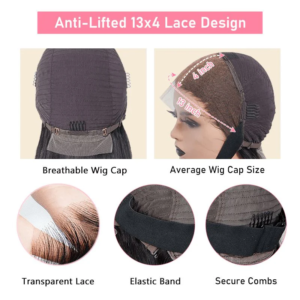
Combs hold by catching into hair or a wig cap. Wig grips hold by friction.
If combs pull on your edges or feel uncomfortable, a wig grip may be a gentler option. Some users stop using front combs after switching to a grip band.
However, grip bands can also cause pressure if worn too tight. No method should hurt.
The best option is the one that feels secure without pulling.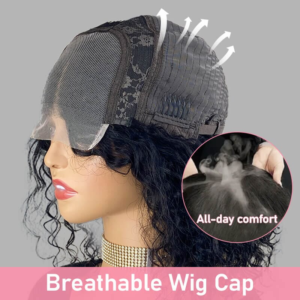
What to Check Before Buying
Before buying a wig grip band, check the size, material, thickness, and closure type.
Some bands use adjustable Velcro. Some are elastic. Some are silicone-lined. Some are velvet. If you have sensitive skin, material choice matters.
Also think about your wig type. A thick band may work under a full wig but show under very thin lace if placed too close to the front.
Look for reviews from people with similar needs: glueless wear, slipping, sensitive edges, or daily wig use.
How to Use It Properly
Place the wig grip around the head where the wig needs support. It should feel snug, not tight.
The band should sit behind the hairline if you need the lace to blend at the front. If it sits too far forward, it may show under lace.
Put the wig on over the grip and adjust slowly. If you feel pressure after a few minutes, loosen or reposition the band.
Comfort should be checked before wearing it all day.
Final Verdict
A wig grip band can be useful, especially for glueless wigs, slipping, sensitive edges, and adhesive-free routines.
It is not a magic fix. It will not correct a badly sized cap, and it may create bulk or pressure if the fit is wrong. But when used with a wig that already fits fairly well, it can make daily wear easier and more secure.
Think of a wig grip as support, not a replacement for good wig construction.
FAQ
Does a wig grip band really work?
Yes, it can help reduce slipping by adding friction under the wig. It works best when the wig already fits reasonably well.
Can a wig grip protect edges?
It may help if it lets you avoid glue or front combs. But it should not be worn too tight, because pressure can also stress the hairline.
Can I wear a wig grip with a lace front wig?
Yes, but place it carefully so it does not show under the lace or create bulk at the hairline.
Is a wig grip better than glue?
It depends. A wig grip is easier and gentler for daily wear. Glue may create a flatter, longer-lasting lace hold.
Can a wig grip cause headaches?
Yes, if it is too tight or worn for too long. It should feel snug but comfortable.